


The psychological impact of gambling understanding the mind behind the wager
The Nature of Gambling Addiction
Gambling addiction is a complex psychological phenomenon that often stems from a combination of biological, environmental, and emotional factors. Individuals may engage in gambling as a way to escape from stressors or to seek a thrill, and when looking for options, many explore betting sites horse racing. This addiction can create a cycle where the anticipation of winning triggers a release of dopamine in the brain, similar to the effects of drugs or alcohol. Consequently, this release reinforces the behavior, making it increasingly difficult for individuals to resist the urge to gamble.

Furthermore, the social environment plays a significant role in the development of gambling habits. Factors such as peer pressure, societal norms, and the availability of gambling facilities can influence an individual’s relationship with gambling. For example, someone raised in a family where gambling is normalized may see it as a regular activity, making them more susceptible to developing addictive behaviors. This societal impact highlights the importance of understanding gambling not just as an individual issue, but also as a broader societal concern.
The psychological effects of gambling addiction extend beyond the individual. Relationships with family and friends may suffer as individuals prioritize gambling over their responsibilities and connections. This can lead to feelings of isolation and anxiety, further exacerbating the addictive behavior. Understanding these dynamics is crucial in addressing gambling addiction, as it often requires a multi-faceted approach that includes psychological support, social interventions, and sometimes professional treatment.
The Role of Cognitive Biases
Cognitive biases significantly influence the way individuals perceive gambling outcomes. One common bias is the illusion of control, where gamblers believe they can influence the outcome of a game, despite it being entirely based on chance. This belief can lead to increased gambling as individuals attempt to manipulate situations to their favor. The brain reinforces these thoughts when they win, creating a false sense of mastery over the game.
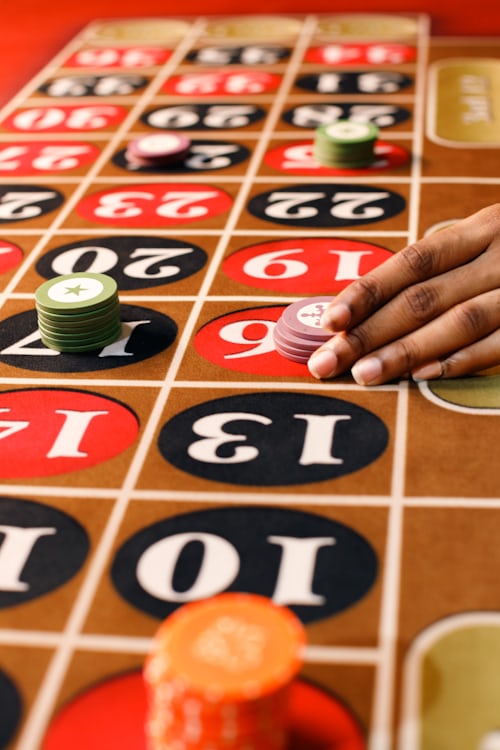
Another cognitive distortion is the gambler’s fallacy, which involves the belief that past events can influence future outcomes. For example, if a roulette wheel has landed on red several times in a row, a player might think that black is “due” to occur. This misconception can lead to continued betting and increased losses, as individuals fail to recognize that each spin is an independent event. Such biases often obscure rational decision-making and lead gamblers deeper into their addiction.
Understanding these cognitive biases is essential for both gamblers and those who support them. By recognizing these patterns, individuals can work towards retraining their thought processes and making more informed decisions about their gambling habits. Cognitive-behavioral therapy (CBT) and other therapeutic approaches are often effective in addressing these biases, helping individuals develop healthier perspectives about gambling and its risks.
The Emotional Roller Coaster
The emotional experience associated with gambling can be profound, involving a range of feelings from excitement to despair. The highs of winning can generate euphoria, while losses often lead to guilt, anger, and depression. This emotional roller coaster can make it challenging for individuals to disengage from gambling, as they seek to replicate the thrill of a win. Over time, however, these intense emotions can lead to emotional dysregulation, further complicating the individual’s relationship with gambling.
Moreover, the need to chase losses can create a dangerous cycle where individuals gamble not just for enjoyment, but as a means of coping with negative emotions. This behavior can escalate over time, leading to increased bets and risky gambling strategies. As the stakes rise, so too do the emotional repercussions, which can impact mental health and lead to a sense of hopelessness. Individuals may find themselves in a never-ending loop, trying to regain control and balance their emotions through gambling.
Support systems play a crucial role in helping individuals navigate these emotional challenges. Friends, family, and support groups can provide a sense of belonging and understanding, which may be lacking in the gambler’s life. By fostering open communication and encouraging healthier coping mechanisms, individuals can better manage their emotional responses to gambling and work towards recovery.
The Impact of Modern Technology
The rise of online gambling platforms has transformed the landscape of gambling, making it more accessible than ever. With just a few clicks, individuals can access a plethora of games from the comfort of their homes. This convenience can intensify the psychological impact, as players are more likely to engage in impulsive behavior without the typical social restraints found in traditional casinos. The constant availability of online gambling can exacerbate issues of addiction and compulsive behaviors.
Additionally, technology has led to the gamification of gambling, where elements of video games are integrated into betting platforms. Features such as rewards, leaderboards, and bonuses can create an engaging experience that keeps players coming back. However, this can also lead to increased time spent gambling, as individuals are drawn into a cycle of wanting to achieve more rewards. The psychological allure of these features can significantly impact how individuals perceive and engage with gambling.
As technology continues to evolve, so too must our understanding of its effects on gambling behavior. It is essential for regulators, platforms, and players to be aware of the potential for increased risks associated with online gambling. By promoting responsible gaming practices and implementing safeguards, the industry can help mitigate the psychological impact of gambling and support individuals in making informed choices.
Conclusion and Resources for Recovery
Understanding the psychological impact of gambling is crucial for both individuals affected by addiction and the broader community. By recognizing the underlying cognitive biases, emotional challenges, and the influence of modern technology, we can better support those in need. Recovery often requires a comprehensive approach that combines psychological therapy, social support, and responsible gambling practices. Resources such as counseling services, support groups, and educational programs can provide essential guidance for those looking to break free from the cycle of addiction.
At our platform, we believe in promoting awareness and fostering a supportive environment for individuals grappling with gambling-related issues. By providing access to valuable information and resources, we aim to empower individuals to make informed decisions and to seek help when needed. Gambling should be an enjoyable activity, not a source of distress, and with the right support, recovery is possible.