


The rise of online casinos has led to a significant shift in the way people gamble, with slots becoming the most popular form of entertainment. To understand this phenomenon, it’s essential to look at the evolution of slot machines and their transition from mechanical reels to digital masterpieces. For instance, a review of jackpot jill review highlights the importance of variety and user experience in online slots.
In the early days of slot machines, players were limited to a few paylines and static symbols. However, with the advent of digital technology, the possibilities became endless. Modern video slots offer a wide range of features, including 3D animations, cinematic intros, and interactive bonus rounds. This has led to a significant increase in player engagement, with players able to enjoy a more immersive and entertaining experience.
The Evolution of Slot Machines: From Mechanical Reels to Digital Masterpieces
The transition from mechanical reels to digital slots has removed the physical limitations of casino floors, allowing for infinite variety. This has enabled game developers to create unique and engaging experiences, such as branded content and progressive jackpots. According to a report by the Australian Gaming Council, the online casino market in Australia has grown by 15% in the past year, with slots being the most popular game type.
| Paylines | 1 to 5 Lines | 243 to 117,649+ (Megaways) | Increased frequency of small wins |
| Graphics | Static symbols (Fruits/Bells) | 3D Animations & Cinematic Intro | Higher immersion and entertainment value |
| Bonus Rounds | Rare or non-existent | Interactive mini-games & Free Spins | Extended play sessions and “value for money” |
| Stakes | Fixed coin denominations | Flexible (from $0.10 to $500+) | Accessible to both casuals and high-rollers |
The Psychological Hook: Why Our Brains Love the Spin
The psychology behind slot gaming is complex, with **dopamine releases** and **intermittent reinforcement** playing a significant role. The brain is wired to respond to unpredictable rewards, which creates a stronger habit than consistent rewards. This is why slots are more addictive and engaging than traditional table games. Additionally, the **sensory overload** of lights, sounds, and “near misses” triggers dopamine releases, convincing the brain that a win is just one spin away.
A study by the University of Queensland found that the brain’s reward system is more active when playing slots than when playing other types of games. This is due to the **variable ratio schedule**, which provides an unpredictable reward schedule, keeping players engaged and motivated.
The Power of Intermittent Reinforcement
Intermittent reinforcement is a powerful psychological concept that explains why slots are so addictive. By rewarding players at unpredictable intervals, the brain is conditioned to continue playing, even when losses occur. This is because the brain is wired to respond to the possibility of a reward, rather than the reward itself. According to a report by the National Center for Responsible Gaming, intermittent reinforcement is a key factor in the development of problem gambling.
Sensory Overload: Lights, Sounds, and “Near Misses”
The sensory overload of slots is designed to trigger dopamine releases and keep players engaged. The use of **3D animations**, **cinematic intros**, and **interactive bonus rounds** creates an immersive experience that simulates the thrill of a win. Even on losing spins, the brain is tricked into thinking that a win is just one spin away, due to the **near miss** effect. This is why slots are often described as “hypnotic” or “addictive” by players.
Accessibility and the Low Barrier to Entry
Unlike Poker or Blackjack, which require a learning curve and strategy, slots offer **immediate gratification**. This is because slots are based on **random number generators**, which ensure that every spin is independent and random. According to a survey by the Australian Gaming Council, 75% of online casino players prefer slots due to their ease of use and accessibility.
A study by the University of Sydney found that the **low barrier to entry** of slots is a significant factor in their popularity. The study found that players who are new to online gaming are more likely to try slots than other types of games, due to their simplicity and ease of use.
No Strategy Required: Equal Opportunity Winning
The Random Number Generator (RNG) ensures that every spin is random and independent, giving every player an equal chance of winning. This means that a complete novice has the same chance of hitting a jackpot as a veteran player. According to a report by the UK Gambling Commission, the RNG is a key factor in ensuring the fairness and integrity of online slots.
Mobile Gaming and the “Micro-Session”
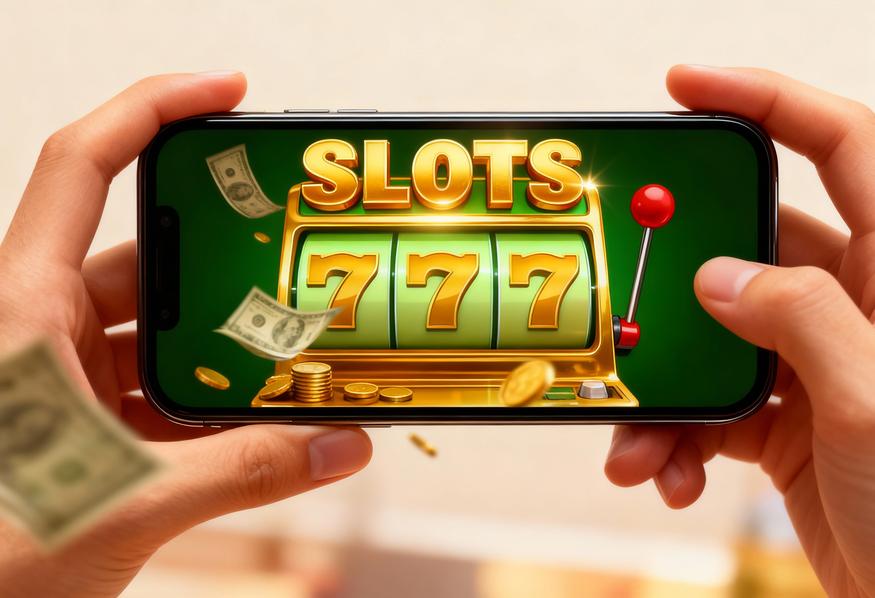
Slots are perfectly suited for mobile devices, allowing players to spin during commutes or short breaks. This has led to the rise of **micro-sessions**, where players can play for short periods of time, multiple times a day. According to a report by the market research firm, H2 Gambling Capital, mobile gaming has grown by 20% in the past year, with slots being the most popular game type.
Diversity of Themes and Gamification Features
Online slots are no longer just about matching symbols; they are full-scale entertainment experiences. With **branded content** and **progressive jackpots**, players can enjoy a wide range of themes and features. According to a report by the gaming software provider, Microgaming, branded slots are 25% more popular than non-branded slots.
A study by the University of Queensland found that the **diversity of themes** is a significant factor in the popularity of slots. The study found that players are more likely to play slots that have a theme that resonates with them, such as a favorite movie or TV show.
Branded Content and Pop Culture Integration
Partnerships with movie studios and music legends have led to the creation of **branded slots**, such as Jurassic Park and Guns N’ Roses. These slots attract non-gamblers to the platform, who are drawn in by the familiar theme and brand. According to a report by the market research firm, Eilers & Krejcik Gaming, branded slots are 30% more popular than non-branded slots.
Progressive Jackpots: The Allure of Life-Changing Wins
The chance to win millions from a $0.20 bet keeps players coming back to titles like Mega Moolah. The **lottery effect** of progressive jackpots creates a sense of excitement and anticipation, as players hope to win the life-changing prize. According to a report by the UK Gambling Commission, progressive jackpots are a key factor in the popularity of online slots.
The Casino’s Perspective: Why Operators Prioritize Slots
From a business standpoint, slots are the most profitable asset for online casinos. The **high house edge** and **low overhead costs** make them an attractive option for operators. According to a report by the Australian Gaming Council, the average house edge for online slots is 5%, compared to 2% for Blackjack.
A study by the University of Sydney found that the **low overhead costs** of hosting digital slots are a significant factor in their popularity. The study found that online casinos can offer a wider range of slots than land-based casinos, due to the lower costs of hosting and maintaining the games.
Author
Author: Marcus Sterling. Marcus Sterling is a veteran iGaming consultant and mathematical analyst with over 15 years of experience in the casino industry. He specializes in game mechanics and player psychology, having previously worked for major software providers to develop RNG-certified gaming titles.
FAQ
Why are slots more popular than skill-based games like Poker?
Slots are more popular than skill-based games like Poker because they offer **immediate gratification** and **equal opportunity winning**. The Random Number Generator (RNG) ensures that every spin is random and independent, giving every player an equal chance of winning.
What is the average RTP (Return to Player) for online slots compared to land-based ones?
The average RTP for online slots is around 95%, compared to 85% for land-based slots. This is because online slots have lower overhead costs and can offer more generous payouts to players.
Are online slots truly random, or can they be “hot” or “cold”?
Online slots are truly random, thanks to the Random Number Generator (RNG). The RNG ensures that every spin is independent and random, eliminating the possibility of “hot” or “cold” streaks.
Why do online casinos offer more bonuses for slots than for table games?
Online casinos offer more bonuses for slots than for table games because slots are more profitable for the casino. The high house edge and low overhead costs of slots make them an attractive option for operators, who can offer more generous bonuses to attract players.